

Every so often someone asks what we do, and when we say "event production," we get the polite nod. The same nod you give your cousin when he explains his crypto thing. So let's clear it up.
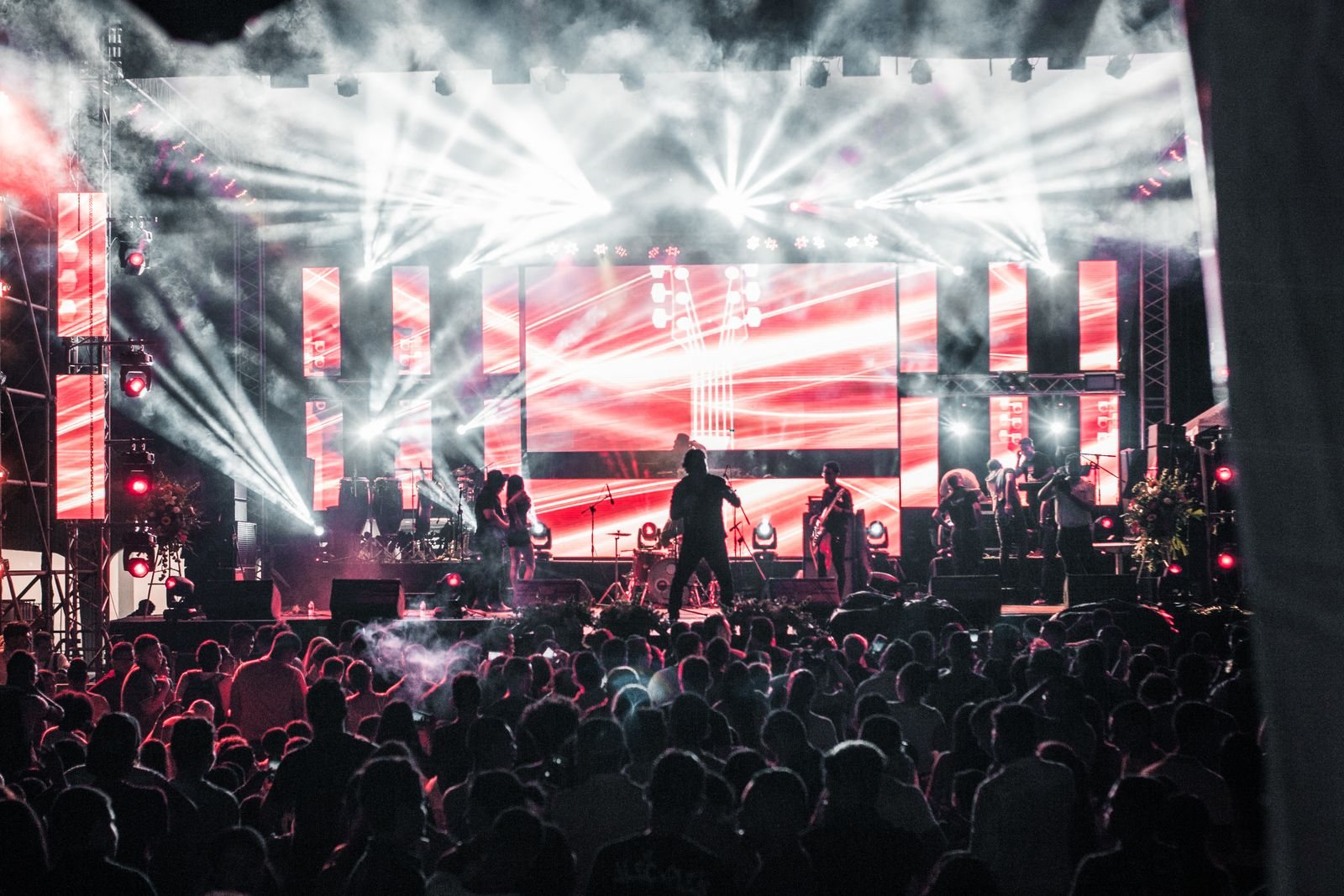
The short version: a production company takes everything your audience sees and hears at an event and makes it work. Sound, lighting, video, staging, the screens, the cameras, the microphones, the stuff that makes the CEO's slides show up at the right time instead of three slides late. If it plugs in or gets bolted together, it's probably ours to worry about.
The longer version is where the value is.
It starts way before the truck shows up
Most of our work happens before anyone sets foot in the venue. We look at the room, the agenda, the headcount and what you're trying to accomplish, and then we design a show that fits. How big do the screens need to be so the back row can read a spreadsheet? Where does the stage go so nobody's staring into a window? How many wireless mics do we need when the panel turns into a panel plus the guy who wasn't on the agenda?
Those questions turn into drawings, a gear list, a crew plan and a schedule. That planning is the difference between a smooth day and a lot of people running around with gaffer tape.
Then we build it
On load-in day our crew shows up and turns a ballroom with a carpet pattern only a hotel could love into a show. Truss goes up, lights get hung and focused, screens get built, the audio system gets tuned to the room. Then we test everything, and then we test it again.
Then we run it
During the show we've got people at the controls the whole time: someone mixing audio, someone running graphics and video, someone on lights, and usually someone calling the show so all of it happens together. Your audience shouldn't notice any of us. If they do, something has probably gone wrong.
Then it all disappears
When the last person walks out, we tear it all down and pack it up, usually faster than it went in. The room goes back to being a ballroom and you go back to your hotel room to finally take your shoes off.
What you're really hiring
Here's the thing. Anybody can rent a projector. What you're paying a production company for is judgment. Knowing which problems are going to show up before they show up. Knowing that the room's air walls rattle when the bass hits. Knowing that your keynote speaker is going to walk right in front of the speaker stack, so we'd better plan for that.
You're also hiring someone to carry a big chunk of the stress for you. Planners have about a thousand things on their plate on show day. Our job is to make sure the stage isn't one of them.
We've been doing this in Atlanta since 2008, and the best compliment we ever get is still the simplest one: "That was easy." That's the goal every time.