

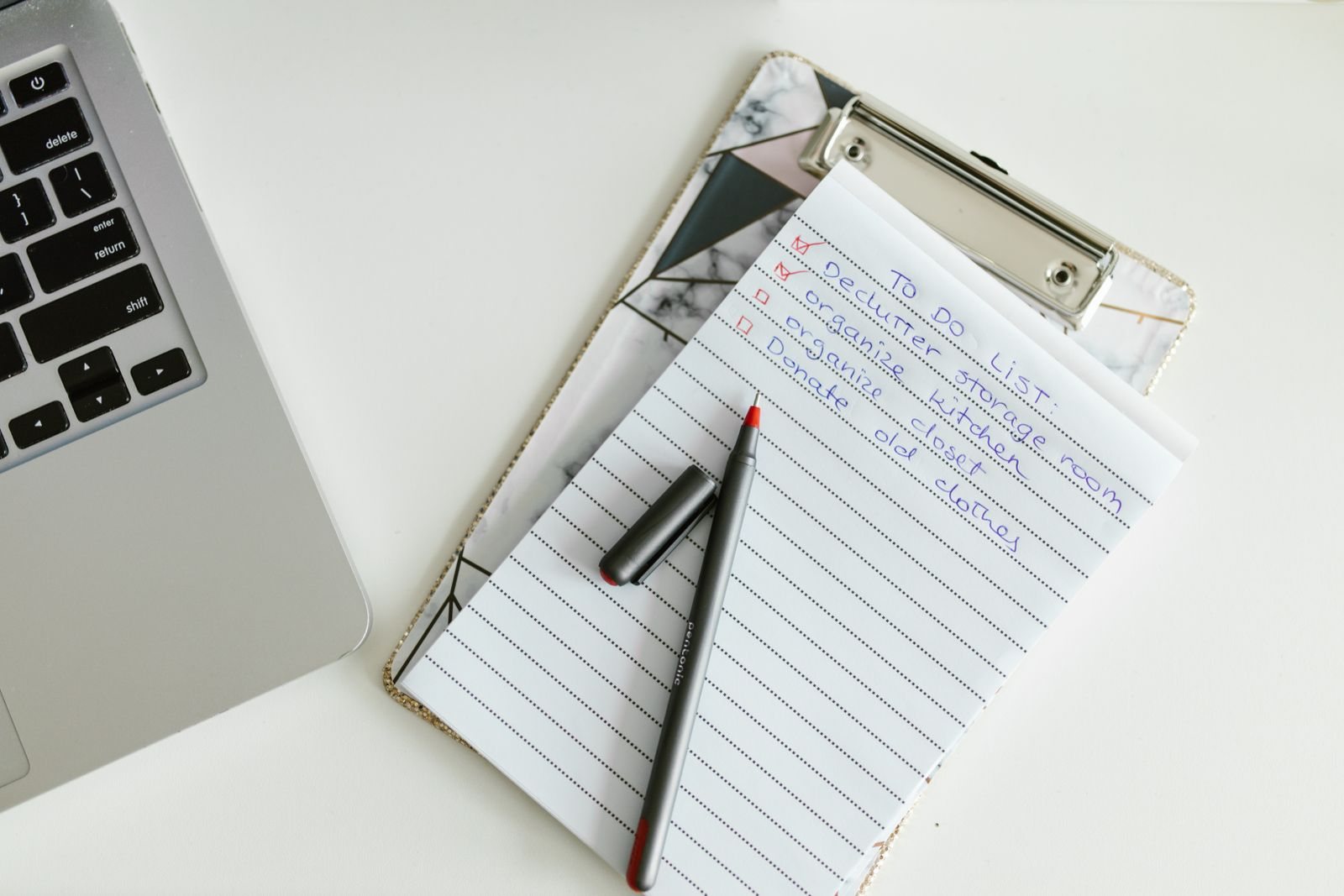
A lot of planners ask us, "What do you need from me?" It's a great question, and the answer is simpler than you might think. Here's the list, roughly in the order we need it.
Early on
The basics. Dates, venue, room names, expected headcount and the general schedule. Even a rough version helps.
The goal. What's this event for? What should people walk away feeling? This shapes everything else.
The venue contract's AV section and venue contact. So we can catch exclusive services, fees and access times before they become problems.
Floor plans. Whatever the venue has, ideally with dimensions. If you already have a seating layout in mind, send that too.
Brand guidelines. Logos, colors, fonts. We'll use them for graphics, walk-in loops and anything else that goes on screen.
A few weeks out
The agenda, or run of show. Every session, every speaker, every break, with times. It doesn't have to be final. It has to be current. Send updates as they happen, even small ones.
Speaker list and details. Names exactly as they should appear on screen, titles, and how each person is presenting: lectern, walking around, seated panel. Note anyone who needs a handheld mic, has a hearing aid, or will be presenting remotely.
Special moments. Awards, surprise announcements, a video premiere, a band, a live demo. The more we know, the better we can plan the cues, the lighting and the crew.
Recording or streaming needs. If you want the sessions recorded or streamed, we need to know early, because it changes the camera plan, the internet needs and sometimes the layout.
The week before
Final presentations. Ideally in one place, clearly named, in the order they'll appear. "Final_v3_REAL_final.pptx" is a classic, and we've all been there, but clear names really help.
Videos and walk-up music. Send the actual files, not just links to websites. If a video needs sound, make sure the sound is in the file.
Fonts. If a presentation uses a custom font, send the font files or embed them. Otherwise your beautiful slides may show up in a font nobody chose.
Screen format. Ask us for the exact canvas size for your screens, and build to it. Most shows are 16:9, but LED walls can be other shapes.
Contacts for show day. Who's the decision-maker on site? Who wrangles the speakers? Cell numbers for both.
Show day
Last-minute changes, through one person. Changes will happen. That's normal. What helps most is routing them through a single point of contact, so the show caller isn't getting three different versions of the same update.
Why it matters
Every item on this list saves time somewhere. Final slides early means we can check them on the real screen instead of discovering a problem during the keynote. A current run of show means the cues are right. A clear venue contact means fewer surprises at the dock.
Don't worry if you don't have everything at once. Send what you have when you have it, and we'll keep a running list of what's still open. Our job is to make the process feel easy, and a good handoff goes a long way toward that.